
Exploring Tsumeb Namibia: YOUR GATE WAY TO ETOSHA PANS. The Heart of Mining and Nature's Wonders like the Etosha Pan's, Oshikoto Lake.
- qbproperties2
- Dec 9, 2025
- 5 min read

Updated: Dec 12, 2025
Tsumeb, a town in northern Namibia, holds a unique place in the country’s history and economy. Known primarily for its rich mining heritage, Tsumeb also offers visitors a chance to explore natural attractions nearby, including lakes and wildlife reserves. This blend of industrial significance and natural beauty makes Tsumeb a fascinating destination for travelers interested in history, geology, and outdoor experiences.

The Mining Legacy of Tsumeb
Tsumeb is often called the mining capital of Namibia. The town grew around the Tsumeb Mine, which has been one of the richest ore deposits in the world. Mining in Tsumeb began in the early 1900s and has produced a variety of minerals, including copper, lead, zinc, and silver. The mine’s complex geology attracted mineralogists and collectors worldwide because of the rare and diverse minerals found there.
Mining shaped the town’s economy and culture. Even today, mining activities continue, though on a smaller scale than in the past. Visitors can learn about this history at local museums and through guided tours that explain the mining processes and the impact on the community.

Places to Visit in Tsumeb
While mining is central to Tsumeb’s identity, the town offers several attractions that showcase its heritage and natural surroundings.
The Famous Minen Hotel
The Minen Hotel is a landmark in Tsumeb. Originally built to accommodate mine workers and visitors, it now serves as a comfortable place to stay with a historic atmosphere. The hotel features mining-themed decor and offers a glimpse into the town’s past. Guests can enjoy local cuisine and relax in a setting that reflects Tsumeb’s mining roots.

Kupferquelle: The Copper Spring
Kupferquelle, meaning "Copper Spring," is a natural spring near Tsumeb known for its clear waters and scenic surroundings. It is a popular spot for picnics and short hikes. The spring’s name ties back to the copper mining heritage, making it a symbolic place where nature and industry meet. Visitors often enjoy the peaceful environment and the chance to see local flora and fauna.

Oshikoto Region and Nearby Lakes
Tsumeb lies within the Oshikoto Region, an area known for its natural beauty and cultural significance. The region features several lakes that attract visitors interested in birdwatching, fishing, and exploring rural Namibian life.
Lake Otjikoto
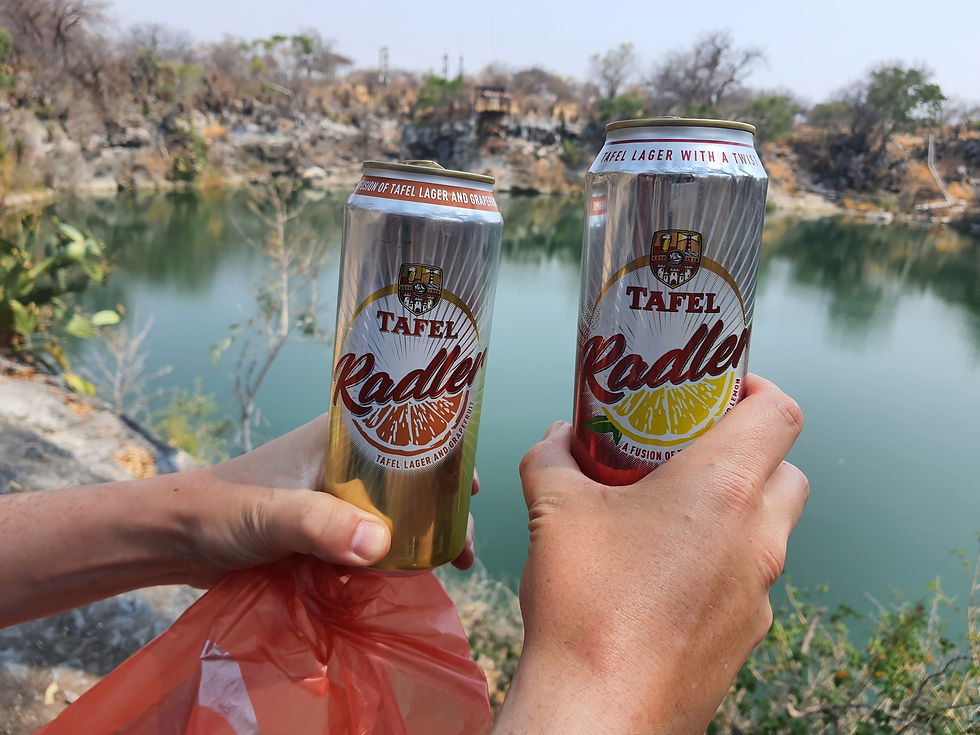
One of the most famous lakes near Tsumeb is Lake Otjikoto. This deep sinkhole lake has a mysterious history and is a popular tourist attraction. It is known for its clear, greenish water and the stories of sunken treasures and wartime relics resting at its bottom. Visitors can take guided boat tours or hike around the lake to enjoy the views.
Other Lakes in the Area
Besides Otjikoto, the region has smaller lakes and pans that support diverse wildlife. These water bodies are especially important during the dry season, providing habitats for birds and other animals. Exploring these lakes offers a chance to see Namibia’s natural environment beyond the desert landscapes.
Proximity to Etosha National Park
Tsumeb’s location makes it an excellent base for visiting Etosha National Park, one of Africa’s premier wildlife reserves. Etosha lies about 60 kilometers north of Tsumeb and is easily accessible by road.
Visitors staying in Tsumeb can take day trips or longer safaris into Etosha to see elephants, lions, giraffes, and many other species. The park’s salt pans and waterholes create unique ecosystems that attract animals and photographers alike. Combining a visit to Tsumeb with a safari in Etosha offers a rich experience of Namibia’s natural and cultural heritage.
Practical Tips for Visiting Tsumeb
Getting There: Tsumeb is accessible by road from Windhoek, Namibia’s capital, and from other northern towns. The drive offers scenic views of the Namibian countryside.
Accommodation: Besides the Minen Hotel, there are guesthouses and lodges catering to different budgets.
Guided Tours: Local guides offer tours of the mine, lakes, and nearby wildlife areas. Booking a guide can enrich your understanding of the region.
Best Time to Visit: The dry winter months (May to September) are ideal for wildlife viewing and outdoor activities.
Safety: Namibia is generally safe for tourists, but standard precautions apply, especially when exploring remote areas.

Exploring Tsumeb Namibia: YOUR GATE WAY TO ETOSHA PANS. The Heart of Mining and Nature's Wonders like the Etosha Pan's, Oshikoto Lake.
Embracing Tsumeb’s Unique Blend
Tsumeb stands out as a place where industrial history and natural beauty coexist. The mining industry shaped the town’s identity and economy, while the surrounding lakes and proximity to Etosha National Park offer visitors a chance to connect with Namibia’s environment.
Whether you are fascinated by minerals and mining history, eager to explore natural springs and lakes, or looking to experience African wildlife, Tsumeb provides a gateway to all these experiences. Planning a visit here means stepping into a story of human endeavor and nature’s resilience.

Bee Trippy have a heart for the Nations, Animals and Nature
Support the Arts Performance Centre (APC) – Tsumeb’s Beacon of Hope
The Arts Performance Centre (APC) in Tsumeb is a safe haven where vulnerable and street-affected children find shelter, guidance, and a meaningful path through the power of music and art. For more than two decades, APC has opened its doors to young people who need a place to belong — offering music lessons, art programs, dance, instrument-making skills, and emotional support. Many children who once had nowhere to go now have a home, a passion, and a future because of this incredible community centre.
APC relies on the kindness of people who believe in giving children a chance. Anyone can contribute — whether through financial support, donating instruments, or simply spreading the word. Every act of generosity helps a child in Tsumeb step away from the streets and step into a world of creativity, confidence, and hope. By supporting APC, you become part of a movement that changes lives through art, one child at a time.
How you can contribute
APC’s website explicitly invites outside support — you can donate or sponsor the centre.
They accept cash donations or bank transfers.
Contact details for donations: phone +264 67 220 511 or email apctsumeb@gmail.com to inquire about how to support.
BOOK YOUR TRIP WITH BEE TRIPPY TRAVEL AND EXPLORE NAMIBIA


Comments